EU Mercosur Treaty: Lost in the Process? So are we!
24 July 2026 /
Zack Balzan 5 min
What is the EU-MERCOSUR trade agreement?
The EU-MERCOSUR trade agreement is an international deal steeped in controversy that took more than 25 years to sort out. The deal creates a new preferential trade system for the importation of MERCOSUR agricultural products which will directly compete with pricier and highly regulated European goods. In addition, European farmers could never match the scale of production of Latin American farms that may use forbidden or cheaper pesticides and fertilisers. On Feb. 27, 2026 EU Commission President Ursula von der Leyen announced the provisional application of the trade part of the MERCOSUR agreement. In other words, goods are flowing and tariffs are dropping between the European Union and the MERCOSUR bloc (Argentina, Brazil, Paraguay, and Uruguay); however, the story doesn’t end here. Many states have expressed their clear rejection of the deal, and farmers from across Europe have rioted, while the European Parliament (EP) voted in favour of referring the matter to the European Court of Justice on the legal basis of the treaty, clearly putting the whole deal in jeopardy.
How to get away with it?
The European Commission understood the underlying power dynamics behind the deal’s 20 years of stagnation and decided to counter it by legally “splitting” the treaty into two parts: the Partnership Agreement and the Interim Trade Agreement (ITA). By doing so, not all 27 member states needed to approve the treaty; unanimity was essentially pulled away from the trade aspect of the deal and remained in the more political Partnership Agreement, where the EU’s competences remain shared. On Jan. 9, 2026, France, Poland, Ireland, Austria, and Hungary voted against the Interim Trade Agreement, but this was not enough to stop the qualified majority led by other member states, including Germany and Spain. The following week, Ursula von der Leyen signed the deal, starting the engine for the trade agreement even though many states and EU citizens were clearly opposed.
Why is it so problematic?
The Council of the EU, by signing the ITA, also authorised its immediate “provisional application”, bypassing the EP’s vote of approval of the deal. This move by the Commission and the Council was seen as highly undemocratic and controversial, as new rules set by the 2009 Lisbon Treaty introduced the requirement of the EP’s consent for such agreements. Many scholars and international lawyers have described this move as an executive overreach, arguing that it might set a dangerous precedent, ignoring elected representatives whenever a deal is politically unpopular. The Commission resorted to such extreme measures deliberately, knowing that the fierce opposition from both a large number of member states and citizens would thwart the ordinary legislative procedure and therefore bury the deal even before its parliamentary vote. European farmers have been the strongest opponents of this deal, arguing that it exposes them to a flood of cheap South American imports (particularly beef and poultry) that do not have to meet the EU’s strict and expensive environmental, health, and animal welfare standards. On the other hand, climate activists and environmental groups have warned that the agreement will accelerate deforestation in the Amazon. The fear is that increased demand for South American beef and soy will lead to more land clearing, undermining the EU’s own climate goals. Another controversial aspect of the treaty is its “rebalancing mechanism” that directly threatens the EU’s regulatory autonomy. It essentially allows MERCOSUR countries to take retaliatory measures if future EU environmental or health regulations negatively impact their exports.
The European Parliament’s Retaliation
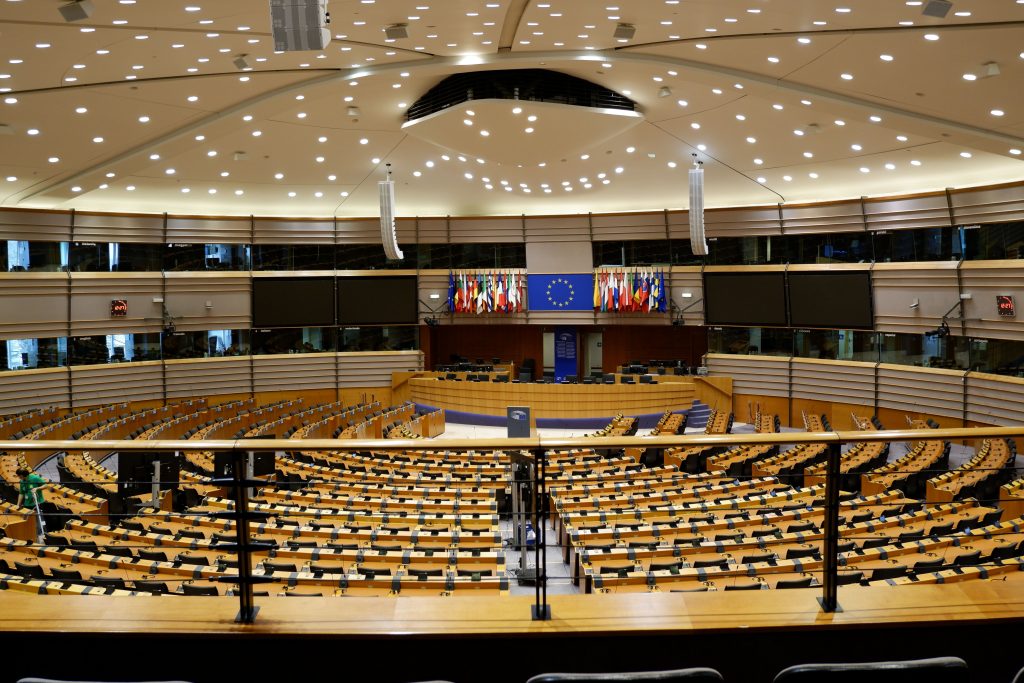
Having been snubbed, MEPs decided to refer the entire agreement to the Court of Justice of the European Union (CJEU). On Jan. 21, 2026, in a razor-thin vote (334 to 324), the EP consequently decided to suspend its consent procedure entirely. The CJEU will therefore legally determine whether the Commission and Council’s “splitting” manoeuvre and the provisional application violated the fundamental EU treaties. However, the CJEU’s review process could take 16 to 18 months, during which the treaty will still be applied “provisionally”.
So, what is actually happening?
Currently, trade mechanisms have been active under the provisional application of the treaty since May 1, 2026. MERCOSUR nations were quick to ratify the deal on their end, eager to capitalise on the EU’s internal divisions; nonetheless, the EP’s vote puts the deal in a strange limbo situation. The goods are indeed moving, and the tariffs have been lowered, but the legal foundation of the agreement is being challenged at the highest level. The EU-MERCOSUR treaty might be happening right now, but whether it will still be happening two years from now is rather uncertain. Even if the CJEU rules in favour of the Commission’s “splitting manoeuvre”, the EP will still have to give its consent to permanently activate all the treaty’s mechanisms.
What else?
Two weeks after the provisional application of the treaty, the EU announced a ban on Brazilian meat exports starting in September because Brazil could not prove that its products were free from antimicrobial animal growth promoters. This confirmed the long-standing concerns of European farmers regarding MERCOSUR imports. Consequently, Brazil has until Sep. 3, 2026, to align its sanitary rules with European standards if it wants to keep exporting meat to the EU.