
HOW CAN THE EUROPEAN UNION SOLVE ITS HOUSING CRISIS?
26 January 2026 /
Andrea Abril 5 min
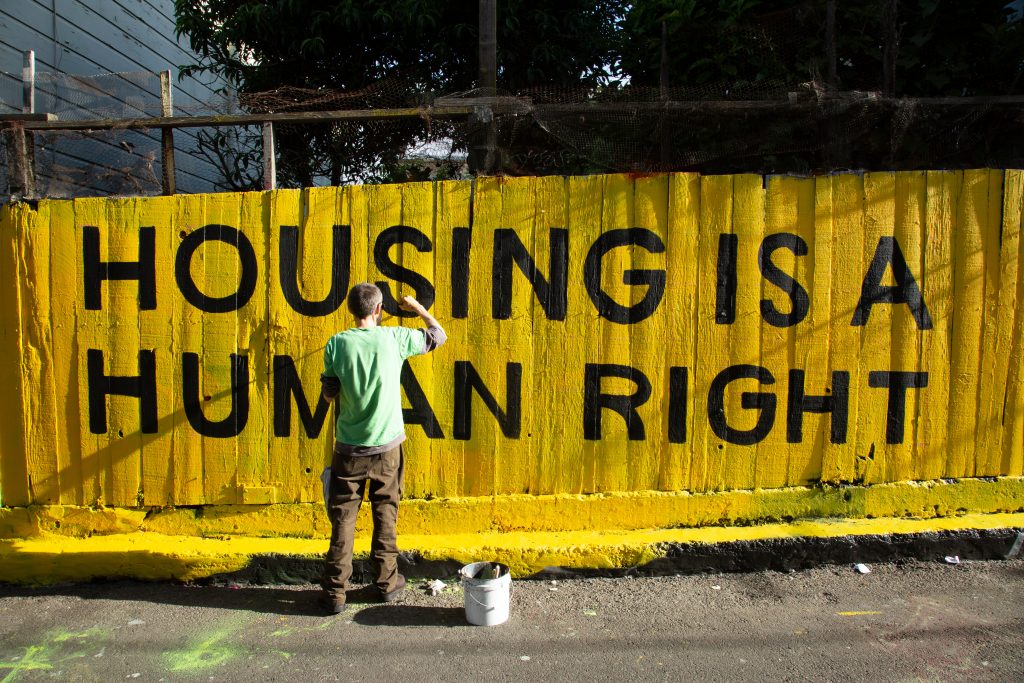
Source : Dennis M. Swanson – Adobe Stock
In the past decade, housing prices have risen sharply across Europe. For many people, especially young, owning a home now feels out of reach. With rents increasing and supply falling short, some questions stand out: why is this happening, and what can the EU do about it?
From 2015 to 2024, average rents in the European Union rose by one quarter and house prices by half. As a result, 1 in 10 Europeans now spends 40% or more of their disposable income on housing. This rising pressure is delaying homeownership. Right now the average age of first-time buyers is 32 across Europe, and around 36 in countries like Spain, Portugal or Belgium. For many people, this directly shapes their personal, educational, and career decisions affecting labour mobility and ultimately weakening Europe’s competitiveness.
But affordability is only one side of the problem. Since 2010, the share of social housing has continued to decrease, even as vulnerable groups such as homeless people and new migrants have grown in number. On top of that, half of Europe’s housing stock was built before 1980 and needs urgent renovation, adding another layer of strain for governments and households.
These, together with other challenges play out differently in each Member State, shaped by national economic, social, and cultural factors. Yet despite these differences, the housing crisis is clearly pan-European. Countries face similar pressures that have created the perfect fertile ground for a housing crisis across Europe.
What’s driving the crisis
According to the Council of the EU, several trends have pushed Europe into its current housing crisis. One key factor is the rise in housing costs. Rents have increased by 50% to 100% in many major cities, and prices are also rising in suburban areas and smaller university towns. At the same time, more homes are being bought as short-term rentals or investment properties. This has intensified competition in the rental market and contributed to rising inequality, social exclusion, and a growing mistrust in public institutions, ultimately threatening the long-term attractiveness and competitiveness of Europe’s cities and regions, as highlighted by the President of Housing Europe, Marco Corradi.
In addition, the supply of new social and affordable housing is limited. Member States emphasise that the core solution is to build more homes, and estimates suggest that nearly 1 million new dwellings are needed to meet demand. However, constructing new affordable housing faces different obstacles across Europe. Major economies report declining construction activity due to higher material costs, rising interest rates, and limited financing. Some countries, like Luxembourg, addressed this through supply acquisitions and new constructions, while Hungary and Belgium are increasing social housing by purchasing existing homes. But overall, construction has still not fully recovered from the 2008 financial crisis and recent shocks like the pandemic and Russia’s invasion of Ukraine have further slowed investment.
The report also notes a lack of renovation and innovation, even though buildings account for around 40% of total energy use and nearly half of the EU’s gas consumption.
On top of this, social and demographic trends are also a challenge. Europe’s population continues to move toward urban centres, which already host more than half of EU residents and are projected to grow further. While some local governments are trying to address population decline in rural areas, many territories risk irreversible depopulation. Housing needs are also changing, smaller households of one or two people will dominate in the coming decades, and the number of individuals needing assistance will increase.
These dynamics don’t affect everyone equally. Who benefits from all of this? Mainly homeowners, including low-income ones, since housing values have increased and often make up a large share of their assets. Meanwhile, those who own second homes in tourist areas have also profited from rising property values and strong demand for short-term rentals.
For Europeans, the cost of political and institutional inaction is high. These pressures are rising while incomes fail to keep pace with living costs and property prices. Youngsters face a sense of insecurity and vulnerability in housing that previous generations did not experience. This creates a perfect combination for nationalist and far-right movements to grow, which often use vulnerable groups like migrants as scapegoats for the housing crisis. At the same time, citizens lose confidence in public institutions’ ability to solve social challenges, weakening democratic legitimacy.
What can Brussels actually do?
For years, the European Union largely left housing to national and local governments. But after the 2024 elections, something shifted. The appointment of the first EU Commissioner for Energy and Housing, Dan Jørgensen, sent a clear signal that the problem has landed on the European Commission‘s (EC) table – being worthy of the “power of the pen” – and the EC aims to address it. Housing remains a national, regional, and local competence, in line with the principle of subsidiarity, which limits the EU’s ability to address the problem directly. But Member States (MS) are increasingly asking the supranational level to help address common root causes linked to EU rules.
In September, the European Parliament’s HOUS Committee, created by the Von der Leyen Commission to focus specifically on Europe’s housing crisis, published the first draft of its report, centred on two priorities: boosting supply and supporting demand. Its findings fed into the EU’s first Affordable Housing Plan, presented at the end of 2025 after a public consultation. With the goal of producing solutions tailored to Member States’ realities, the Housing Advisory Board brings together mayors, academics, and real estate experts to provide recommendations to the Commission. For the Board, the key message is that housing should be seen as an essential social and economic infrastructure, not a speculative asset.
So what can the EU actually do? Support is expected in several key areas.
First, boosting housing supply by cutting red tape, supporting renovation and the better use of existing buildings, and addressing speculative pressures and the impact of short-term rentals. This could allow authorities in cities and regions facing severe housing shortages to limit short-term rentals. As Commissioner Jørgensen put it, Europe should stop treating homes “the same way they treat gold”.
Second, mobilising investment, notably by scaling up EU funding, attracting private capital, and prioritising affordable housing under the current and next Multiannual Financial Framework (2028–2034).
Third, by giving local authorities the tools and guidance to act quickly in areas with severe housing stress. This includes using data to identify where intervention is most needed, providing technical and financial assistance, and helping implement reforms that improve market stability. Finally, protecting those most affected by the housing crisis, by strengthening social housing, safeguarding vulnerable tenants, and targeting support at low- and middle-income households.
The bottom line is simple: Europe needs more affordable housing, and it needs it fast. Institutions, MS and key stakeholders recognise similar challenges and the areas where the European level can make a difference. As with many issues in the EU, real change depends on local, regional, and national action, but these levels cannot solve the crisis alone. Coordination and support from Brussels are crucial. If the EU succeeds, the next five years could mark a shift from crisis to recovery. If it fails, rising housing costs will continue to determine who can live, work, and build a future in Europe’s cities.